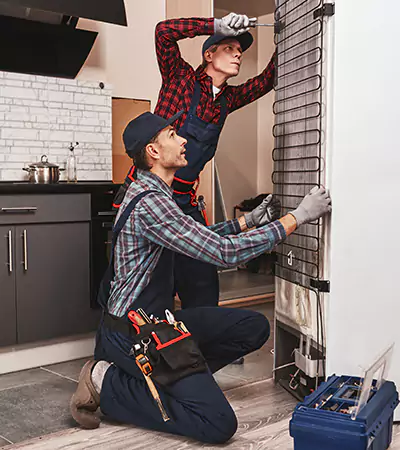
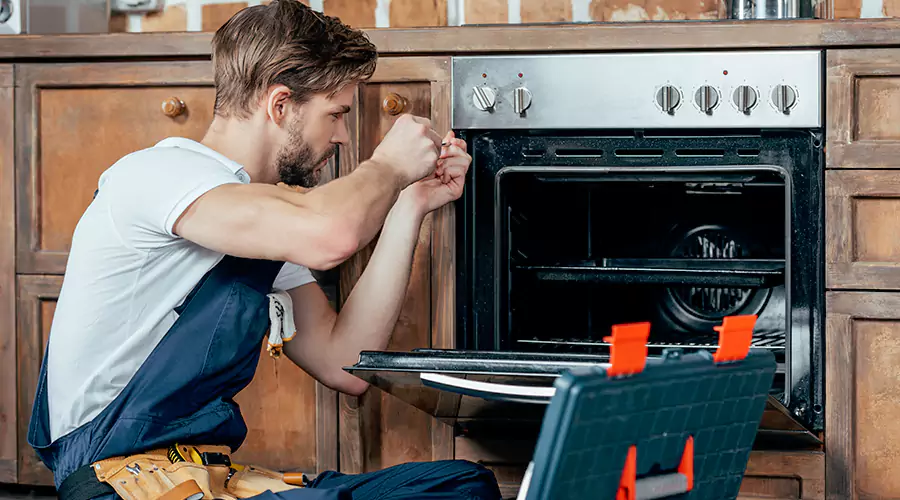
A gas oven should heat smoothly, hold a steady temperature, and cook food evenly. When it struggles to light, takes too long to preheat, or produces weak heat, the problem can affect daily cooking and kitchen safety.
Gas oven repair helps homeowners fix heating, ignition, thermostat, sensor, burner, and control issues before the appliance becomes unsafe or stops working completely. Fast attention can protect your home, improve cooking results, and prevent larger repair costs.
Why Gas Oven Heating Problems Matter?
Many homeowners first notice a gas oven not heating issue when meals take longer than expected or come out undercooked. This problem may involve the igniter, gas valve, thermostat, sensor, burner, or control system.
Early service matters because gas ovens use fuel, ignition parts, and high heat. A small issue can become a safety concern when the appliance continues to run without proper inspection.
When the Oven Will Not Light?
A gas oven not lighting problem often points to ignition failure. The oven may click, smell faintly of gas, or fail to create enough heat for cooking.
Careful troubleshooting can help identify whether the problem comes from the igniter, pilot system, gas supply, or control parts. Homeowners should stop using the oven if it smells like gas or lights with delay.
Ignition System Problems
A gas oven ignition problem can prevent the oven from starting correctly. The appliance may take several attempts to light or shut off before reaching the selected temperature.
Delayed ignition can allow gas to build up before the burner lights. A qualified technician can inspect the ignition system and confirm whether the oven is safe to use.
Weak Igniter Performance
A gas oven igniter problem is one of the most common reasons a gas oven fails to heat properly. The igniter may glow but still be too weak to open the gas valve.
This part can wear down over time from regular use. Professional testing can confirm whether the igniter needs replacement or another part is causing the failure.
Temperature Control Trouble
A gas oven temperature problem can make cooking unpredictable. Food may burn on the outside, stay raw in the center, or require longer cooking times than normal.
Temperature trouble may come from a bad sensor, weak thermostat, control board issue, or poor burner performance. A technician can test the oven temperature against the selected setting.
Slow Preheating
A gas oven takes too long to heat when the ignition or gas flow system cannot work efficiently. The oven may eventually warm up, but it may take much longer than it should.
Slow heating wastes time and affects cooking results. If preheating keeps getting longer, the oven needs inspection before the problem becomes worse.
Weak Heat During Cooking
A gas oven weak heat issue can leave food undercooked even when the oven appears to be running. The burner may light but fail to produce enough heat for normal cooking.
Weak heat can come from a failing igniter, burner restriction, thermostat issue, or poor gas flow. Professional diagnosis can identify the true cause without unnecessary part replacement.
Gas Smell Warning
A gas oven smells like gas problem should always be treated seriously. If you smell gas, stop using the appliance, leave the area if the odor is strong, avoid electrical switches, and contact the proper emergency service or gas utility.
Safety should come before repair scheduling. Appliance service should only happen after the home is confirmed safe.
Burner Performance Issues
A gas oven burner problem can affect how heat spreads through the oven cavity. The burner may light unevenly, produce weak flame, or fail during a cooking cycle.
Burner issues may involve clogged ports, poor ignition, gas valve trouble, or damaged burner parts. A technician can inspect the burner safely and restore proper operation.
Thermostat Failure
A gas oven thermostat issue can cause the oven to run too hot or too cool. The thermostat helps control the temperature during baking and roasting.
Incorrect thermostat readings can make recipes unreliable. A service visit can confirm whether the thermostat needs adjustment or replacement.
Sensor Problems
A gas oven sensor problem can cause temperature swings inside the appliance. The sensor may send the wrong reading to the control system, which affects heating accuracy.
Sensor trouble may lead to undercooked meals, burned food, or long preheat times. Professional testing can confirm whether the sensor is faulty.
Technical Diagnostic Table: Gas Oven Operational Failures
| Observed Oven Symptom | Combustion Cycle Evaluation | Primary Point of Failure |
|---|---|---|
| Ignition System Problems | Flame Propagation Sequence | Faulty Safety Interlock Circuit |
| Weak Igniter Performance | Current Draw Threshold | Degraded Silicon Carbide Igniter Resistance |
| Temperature Control Trouble | Thermal Feedback Calibration | Out-of-Spec Oven Temperature Sensor (RTD) |
| Slow Preheating | BTU Output Regulation | Incomplete Gas Valve Solenoid Actuation |
| Weak Heat During Cooking | Flame Pattern & Intensity | Partially Obstructed Burner Orifice |
| Gas Smell Warning | Fuel Delivery Integrity | Micro-leaks in the Internal Gas Manifold |
| Burner Performance Issues | Flame Combustion Geometry | Carbonized Accumulation on Burner Ports |
| Thermostat/Sensor Failure | Environmental Data Processing | Drift in Ohm Resistance of Thermistor Probe |
Control Board Failure
A gas oven control board issue can affect ignition, temperature control, timer operation, and heating cycles. The oven may show error codes, stop mid-cycle, or fail to respond to settings.
Control boards should be tested before replacement because other parts can create similar symptoms. Accurate diagnosis helps avoid unnecessary repair costs.
Pilot Light Problems
A gas oven pilot light problem may affect older oven models that use a standing pilot. The pilot may go out because of dirt, drafts, gas flow issues, or a worn safety part.
Modern gas ovens often use electronic ignition instead of a pilot light. If your older oven has pilot trouble, professional service can help restore safer operation.
Safety Concerns
A gas oven safety issue may include gas odor, delayed ignition, weak flame, overheating, sparking, or failure to shut off properly. These warning signs should never be ignored.
Homeowners should avoid using the oven when safety symptoms appear. A qualified technician can inspect the appliance before it creates a larger risk.
Gas Appliance Service
Reliable gas appliance repair matters because gas ovens involve fuel flow, ignition systems, burners, valves, sensors, and heat controls. These parts need careful handling to avoid unsafe operation.
Qualified service helps identify the problem without guesswork. A trained expert can test the appliance and recommend the correct repair.
Repair Services for Gas Ovens
Trusted gas oven repair services should include inspection, testing, diagnosis, repair options, and final performance checks. Clear service helps homeowners understand what failed and why it happened.
A good provider should also explain any safety concern before starting work. This helps homeowners make confident decisions about repair or replacement.
Why Professional Repair Matters?
Skilled professional gas oven repair can restore safe heating performance when the issue involves ignition, gas flow, thermostats, sensors, or controls. Proper service also reduces the chance of repeat failure.
Experience matters because gas oven symptoms can overlap. A weak igniter, bad sensor, or control issue may look similar until each part is tested.
Home Gas Oven Service
Convenient home gas oven repair allows the technician to inspect the appliance where it is installed. This helps them check gas connections, cabinet fit, ventilation, electrical supply, and oven placement.
In-home service also avoids moving a heavy appliance without reason. The technician can evaluate real operating conditions and complete practical testing.
Residential Oven Support
Quality residential gas oven repair supports everyday cooking needs for homeowners, renters, and families. A working oven keeps meals, baking, holidays, and weekly routines on schedule.
Residential service should feel clear and professional from start to finish. The technician should explain the issue, repair options, expected cost, and safety findings.
Role of the Technician
An experienced appliance repair technician can inspect the gas oven, test parts, and explain the repair plan in simple language. This helps homeowners understand whether the issue is minor, moderate, or urgent.
Good service also includes final testing after repair. The oven should light safely, heat properly, and hold a steady temperature before regular use resumes.
Troubleshooting Before Service
Basic gas oven troubleshooting can help rule out simple issues before a service call. Check the following options carefully:
- Oven digital settings and selected temperature accuracy
- Power supply connections and circuit breaker box status
- Control lock feature activation status
- Visible burner area cleanliness and component positioning
- Oven door alignment and gasket seals for a proper close
Avoid adjusting gas lines, opening sealed panels, or handling internal ignition parts without training. If the oven still fails, professional diagnosis is the safer next step.
Emergency Repair Situations
Urgent emergency gas oven repair may be needed when the oven smells like gas, sparks, overheats, will not shut off, or lights with delay. These issues can affect household safety quickly.
Stop using the appliance if it creates risk. Leave the area when gas odor is strong and contact the proper emergency service before scheduling appliance repair.
Same Day Service Needs
Helpful same day gas oven repair can be useful when the oven fails during a busy week, before a family event, or during meal preparation. Fast service can reduce kitchen disruption and prevent the issue from worsening.
Same day support is especially helpful when the appliance is the main cooking unit in the home. A technician can diagnose the problem and explain repair options quickly.
Finding Local Help
Searching for gas oven repair near me can help homeowners find nearby service when heating problems appear. Local repair support may offer faster scheduling and better knowledge of common gas oven issues in the area.
A reliable repair provider should communicate clearly, explain the estimate, and prioritize safety. Clear guidance helps homeowners choose the right next step.
Final Thoughts
A gas oven that will not heat properly may have an ignition, thermostat, sensor, burner, valve, or control problem. Weak heat, slow preheating, gas smells, delayed ignition, and temperature swings all deserve attention.
Professional repair can restore safer heating, improve cooking results, and protect your home from avoidable risks. If basic checks do not solve the issue, schedule a qualified technician before using the oven again.